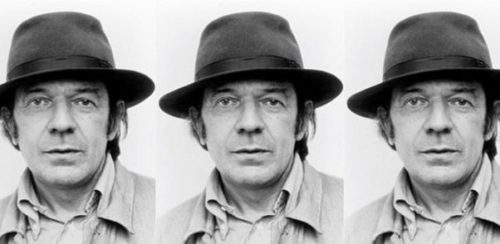
Michel Foucault wrote about power as if it were an autonomous and automatically functioning machine. To see the world through Foucault’s eyes is to become aware of strategies, deployments, distributions, apparatuses, spaces, adjustments, divisions, and separations, but no persons. Instead, human beings are described as “bodies.” (In The History of Sexuality vol. 1, sexuality is treated as a matter of “bodies and pleasures.”) In hundreds of pages on the topic of power, Foucault almost never mentions the other ways citizens of liberal democracies ordinarily influence their government – by means of political parties, elections, lawmaking, and debate.
The effect is to establish a climate of somewhat spurious objectivity. But it also puts readers on edge. There’s something creepy about this way of talking about power. What?
Continue reading